


- door Daniel Pawlik
How to Choose a Dining Table: Size, Shape, Material and Style
- door Daniel Pawlik
Do you remember the scrape of chairs being pulled in around a table that always felt too big for the room, yet somehow found space for one more plate whenever someone turned up unannounced? That table held everything: homework spread out after school, birthday candles, quiet arguments, and the hum of a Sunday lunch nobody wanted to end.
Fast forward to adulthood, and the humble dining table becomes a surprisingly tricky purchase. A cramped flat, an awkward alcove, or a growing family can turn a simple decision into hours of measuring and second-guessing, and it is easy to end up with a table that looks right in a photo but never quite works at home.
In short: a table around 120–140 cm seats four comfortably and 160–200 cm seats six; pick the size by seat count, the shape by your room's proportions (rectangular for long rooms, round or square for compact ones), and the material by daily use – solid wood or ceramic for busy families, glass or lacquered MDF for lighter, occasional use.
Knowing how to choose a dining table really comes down to a handful of practical questions: how you actually use the space, how many people need to sit down together, which shape suits the room, and which material will hold up to daily life.
At Pillovely, we believe a table is never just furniture. You are valued, you are someone worth gathering a table around, and every Pillovely dining table is built with that idea in mind – solid, honest pieces designed to outlast a single season of trends.
Here is a practical dining table buying guide to size, shape, material and style, so the table you choose becomes the one your household actually gathers around for years.
Before you look at a single product photo, think about what the table will actually do on an ordinary Tuesday. A household that eats together every evening needs something sturdy and comfortable for long stretches, while a table that mostly hosts weekend brunches or the occasional dinner party can afford to be a little more compact.
A simple dining table buying guide starts here, not with styling. Ask how many people sit down on a normal day, how often you host larger groups, and whether the table doubles as a desk, a homework station or a craft surface between meals. The honest answer to "what dining table should I get" is almost always the one that matches your real routine, not an idealised version of it.
If your dining area is on the tight side, it is worth browsing our dining tables collection before you commit to a size, since a few clever layout tricks can make a modest table feel far more generous.
It also helps to think about how the table ages with your household. A table bought for a couple can end up seating a family a few years later, so it is worth picturing the next stage of your routine, not only the one you live now, before settling on a final size.

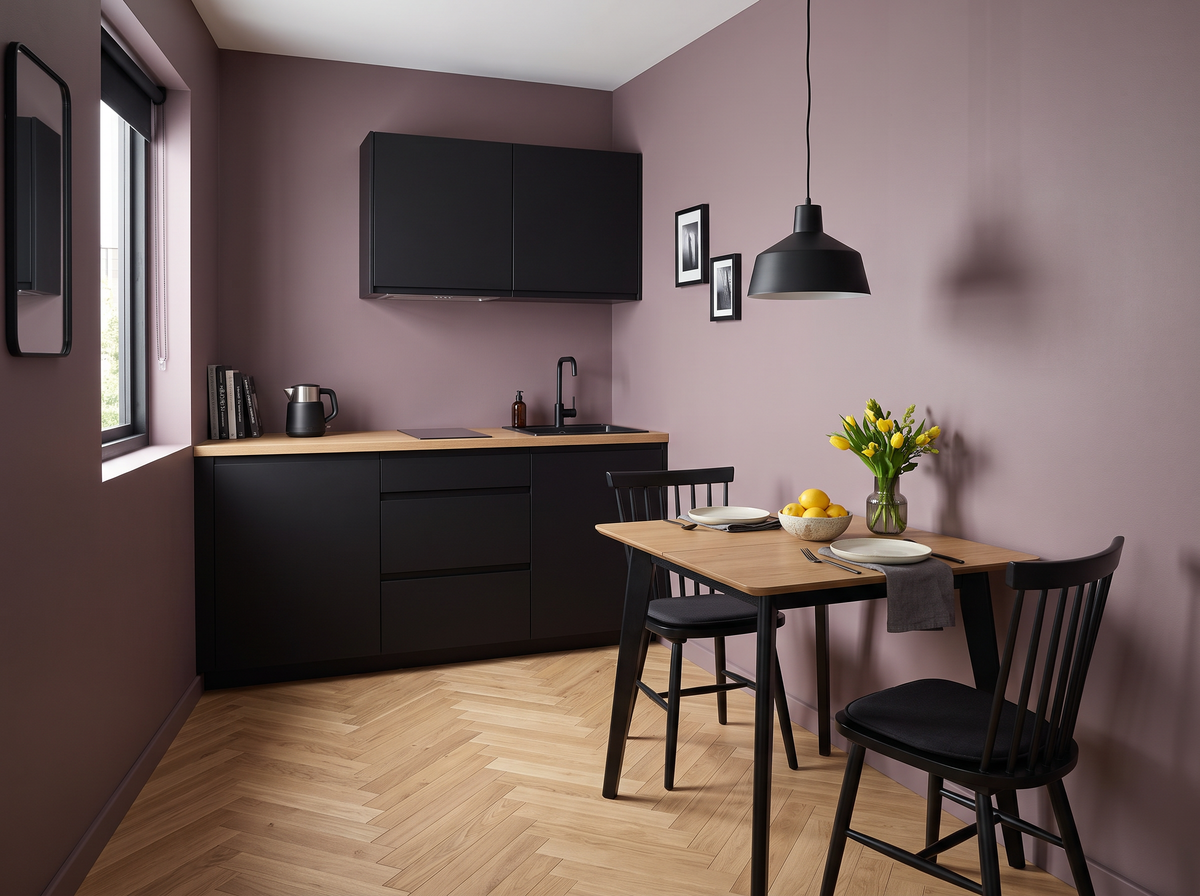
Furniture featured in this image: Extendable Dining Table 140–180x76 cm in Scandinavian Style | Trava
As a quick rule of thumb, allow around 60 cm of table edge per seated person, plus at least 90–120 cm of clearance behind each chair so people can get up without squeezing past one another. A table around 120–140 cm usually suits four people comfortably, while 160–200 cm comfortably seats six.
This is only a starting point for dining table size and shape decisions. For a full breakdown by number of people, with exact measurements and a room-by-room chart, see our dedicated dining table size guide. Getting the dining table size and shape right together, rather than choosing one and hoping the other works out, saves a lot of returned furniture.
Shape changes how a room feels far more than most people expect. Rectangular tables use a long, narrow space efficiently, round and oval tables soften a square room and make conversation easier, and square tables work well in small, boxy dining nooks.
A good example is the Krel Round Dining Table 140×76 cm. Its circular top removes the sharp corners that can make a tight room feel cluttered, while still comfortably seating four to six people for everyday meals.
Choosing between round, rectangular, oval and square is one of the questions we are asked most often, so we have written a full comparison in round vs rectangular dining table, covering pros, cons and the best room type for each shape.
Dining table material affects both how a table looks and how it survives daily life. Solid wood ages beautifully and takes knocks well, but costs more and is heavier to move. MDF with a veneer or lacquered finish is lighter on the budget and still looks sharp, though it is less forgiving of standing water or deep scratches.
Glass keeps a room feeling open and is easy to wipe clean, but shows fingerprints and needs a little more care around children. Ceramic tabletops have become popular for good reason: they resist heat, scratches and stains better than most other dining table material, while still looking refined.
There is no single "best" dining table material for everyone. A busy household with young children often does better with ceramic or solid wood, while a quieter home or an occasional dining space can enjoy the lighter, more delicate feel of glass without it becoming a problem.
A good example is the Oryss Classic Dining Table 160×76 cm, which pairs a ceramic tabletop with a metal base, so everyday spills and warm dishes are far less of a worry than they would be on a painted wood finish. If you prefer the lightness of glass, the Stela Round Glass Dining Table 119×76 cm is an easy-to-clean alternative that keeps a small room feeling open.
A table only works as well as the chairs around it. Standard dining tables sit at roughly 75 cm high, so look for chairs with a seat height of around 45 cm to leave comfortable legroom. Allow roughly 60 cm of width per chair so elbows do not collide during a shared meal.
For a full walkthrough of heights, styles and materials, see our guide to Dining Chairs. A good example from our own range is the Hikari Set of Two Dining Chairs, upholstered in soft chenille fabric with a solid oak frame, built to a height and depth that works comfortably with most standard-height dining tables.
A fixed table is simpler, usually sturdier for its size, and often better value. An extendable table costs a little more but earns its keep if you regularly host more guests than your everyday household, or if your dining area also needs to flex for a home office day.
We cover the sizes, mechanisms and when it is worth paying extra in Extendable Dining Table. A good example from our range is the Trava Extendable Dining Table 140–180×76 cm, which grows from an everyday size to a full dinner-party length in a few seconds.
| Model | Size | Material | Best for |
|---|---|---|---|
| Trava Extendable | 140–180×76 cm | Oak-finish veneer, extendable | Flexible seating, 4 up to 6 |
| Krel Round | 140×76 cm | Oak-finish, 3 colour options | Rooms without sharp corners, 4–6 seats |
| Oryss Classic | 160×76 cm | Ceramic top, metal base | Busy households, spill resistance |
| Stela Round Glass | 119×76 cm | Glass top, oak or black metal base | Small rooms, light and airy feel |
If you want to compare styles side by side, browse the full Dining Tables collection at Pillovely before making a final decision. Working through this list is the fastest dining table buying guide you will find, because it forces every decision back to how your home actually works.

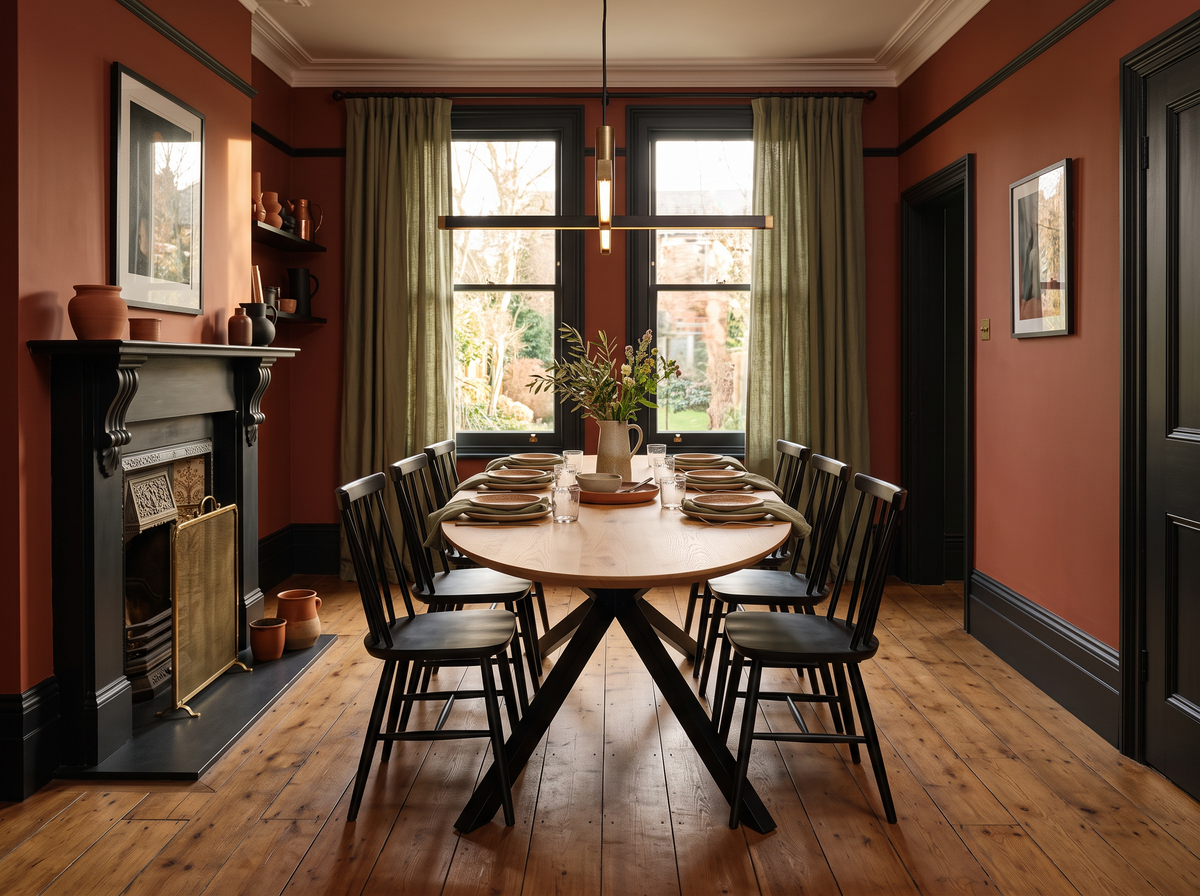
Furniture featured in this image: 220x75 dining table with slanted legs in Scandinavian style | Lurisse
Every Pillovely table is made with a simple idea at its core: furniture should feel honest, not just look good in a photograph.
Learning how to choose a dining table is really about being honest with yourself: how you live, how many people gather, and what your room can realistically hold. Get those details of size, shape and material right, and the rest of the style falls into place naturally.
Explore our complete collection of dining tables and chairs at Pillovely. Build a dining room that surrounds you with warmth, nostalgia, and genuine comfort every single night.
Pillovely – For the love of home warmth.
For a small flat, look at round or drop-leaf tables around 100–120 cm, which seat four without dominating the room. A lighter dining table material and slim legs also help a compact table feel less heavy visually.
Start with how many people you seat daily, then pick a shape that suits the room's proportions: rectangular for long rooms, round or square for more compact or nearly square spaces. Size and shape work together, not separately.
Think about how the table is actually used: solid wood and ceramic tabletops suit busy family households best, while glass and lacquered MDF work well for lighter, more occasional use. Match the material to your real daily habits.
Yes: decide how you use the table, measure the room, pick a shape and material that suit that use, and only then start browsing styles. Following this order is the simplest way to know what dining table should I get for my own home, rather than copying someone else's choice.
The single most important factor is matching the table to your room's size and daily routine, not to a photo you liked online. Measure the space first, pick a shape that suits the room's proportions, and choose a material that matches how often you use the table and how many people usually sit down. Get the dining room table's size, shape and material right together, and the style falls into place on its own.
A round table like the Krel Round Dining Table 140×76 cm usually suits a small or nearly square room better, since it has no corners to catch as you walk past. A rectangular table makes more sense in a long, narrow room where it can run parallel to the walls.
Wipe a glass tabletop with a microfibre cloth and a vinegar-water solution, then dry it immediately with a second dry cloth, since air-drying is what causes streaks. Avoid abrasive sponges, which can leave fine scratches that catch the light.
Keep a daily setting simple: a runner or placemats, a low centrepiece that does not block eye contact across the table, and cutlery within easy reach. Save taller candles, multiple serving dishes and extra glassware for occasions when the table is fully set.
No, chairs do not need to match the table material exactly; a wooden table pairs well with upholstered or metal-framed chairs as long as the tones and proportions feel coordinated. Matching height and width per seat matters far more than matching material.
For a small dining room, the Stela Round Glass Dining Table 119×76 cm is a strong choice: its round shape and transparent top keep sightlines open, and it comfortably seats four without visually crowding the room.
Small Dining Table Ideas: Tables That Work in Compact Rooms
Do you remember the fold-out table that lived against the wall in a childhood flat, pulled out only for Sunday dinner and pushed straight back afterwards so there was still room to walk to the kitchen?
Lees meerover Small Dining Table Ideas: Tables That Work in Compact Rooms
Round vs Rectangular vs Oval Dining Table: Which Shape Fits Your Room?
Do you remember the heavy, round table at your grandparents' house, the one with just enough wobble in one leg that everyone knew to avoid, yet somehow it always sat exactly the right number of people, no matter who turned up?
Lees meerover Round vs Rectangular vs Oval Dining Table: Which Shape Fits Your Room?
Dining Table Size Guide: How Many People Does a Table Seat?
Do you remember standing in a furniture shop as a child, watching your parents argue good-naturedly over whether "this one" would actually fit the dining room, while you quietly counted how many cousins could squeeze around it at Christmas?
Lees meerover Dining Table Size Guide: How Many People Does a Table Seat?


Delen:
Console Table Ideas – Where to Use One and How to Style It
Dining Table Size Guide: How Many People Does a Table Seat?